Greek Orthodox icons are among the most recognizable expressions of Eastern Christian faith. Often painted on wooden panels and illuminated with gold backgrounds, these sacred images are much more than religious decorations. Within the Orthodox Church, icons serve as visual expressions of theology, aids to prayer, and reminders of the presence of God and the communion of saints.
Understanding the importance of Greek icons offers a deeper appreciation of Orthodox worship, spirituality, and artistic tradition.
Icons as Windows into Heaven
Orthodox Christians frequently describe icons as “windows into heaven.” This does not mean that believers worship the painted image itself. Instead, an icon directs the heart and mind toward the holy person or sacred event it represents.
An icon of Jesus Christ, for example, helps the faithful focus on the mystery of the Incarnation, the Christian belief that the Son of God became fully human. An icon of the Virgin Mary encourages contemplation of her humility, obedience, and role as the Mother of God. Icons depicting saints remind Christians of people who lived lives of extraordinary faith and remained devoted to Christ through suffering, service, and prayer.
Through these sacred images, the invisible realities of the Christian faith are made visually accessible.
The Difference Between Veneration and Worship
One of the most important teachings surrounding Greek Orthodox icons is the distinction between veneration and worship. Worship belongs to God alone. Veneration, however, is an act of respect shown to holy people and sacred objects connected to the Christian faith.
When Orthodox believers bow before an icon, light a candle, or kiss the image, they are not worshipping wood, paint, or gold leaf. The honor is directed toward the person represented in the icon.
This practice can be compared to keeping and respectfully displaying a photograph of a loved one. The affection is not directed toward the paper itself, but toward the person whose image it carries.
A Central Part of Orthodox Worship
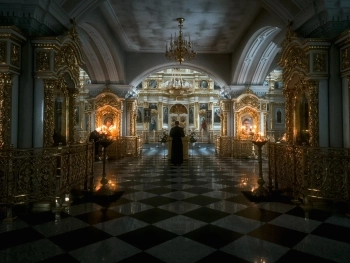
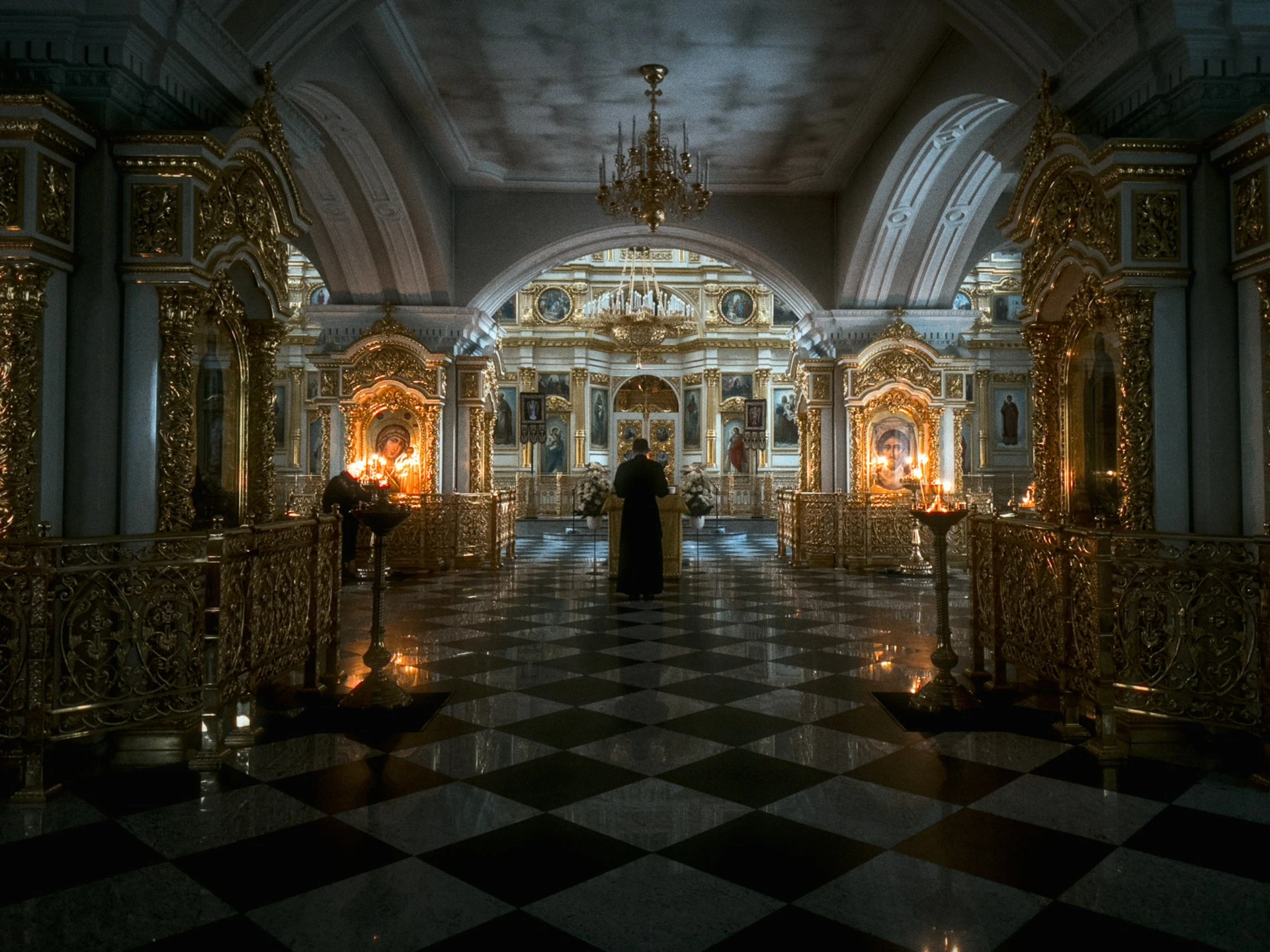
Icons are present throughout Orthodox churches. The most prominent display is the iconostasis, the decorated screen that separates the sanctuary from the nave. It usually includes icons of Jesus Christ, the Virgin Mary, John the Baptist, patron saints, angels, and important biblical events.
The placement of each icon is intentional. Together, they tell the story of salvation and visually connect earthly worship with the heavenly kingdom.
During the Divine Liturgy, candles burn before icons while incense fills the church. The combination of sacred art, chanting, prayer, and fragrance engages the senses and creates an atmosphere that encourages reverence and contemplation.
Icons also play an important role during feast days. A special icon representing the celebrated event may be placed in the center of the church, allowing the congregation to reflect on its theological meaning.
The Spiritual Meaning of Iconography
Traditional Greek icons follow established artistic and theological principles. Iconographers do not simply paint according to personal imagination. They work within a sacred tradition passed down through generations.
Figures may appear solemn, elongated, and less realistic than those in Western religious art. This style is intentional. Icons are not designed to reproduce ordinary human appearance. Their purpose is to reveal a person transformed by divine grace.
Gold backgrounds often represent the eternal light of heaven, while specific colors communicate spiritual meaning. Blue may symbolize humanity or the heavenly realm, red can represent divine life or sacrifice, and white frequently signifies purity and resurrection.
Even the gestures, clothing, inscriptions, and positioning of figures carry meaning. Every detail helps communicate the teachings of the Orthodox Church.
Greek Icons in the Orthodox Home
The importance of icons extends beyond the church building. Many Orthodox families create a prayer corner in their homes, often facing east. This space may include an icon of Christ, the Virgin Mary, a family patron saint, a cross, prayer books, candles, and incense.
The home icon corner becomes a place for morning and evening prayers, personal reflection, and family devotion. It reminds believers that faith is not limited to Sunday worship but should remain present throughout daily life.
Greek Orthodox Icons may also be given for Baptisms, weddings, house blessings, name days, and other important occasions. A carefully chosen icon can become a meaningful spiritual gift that remains with a family for generations.
Preserving a Sacred Christian Tradition
For those seeking to bring this tradition into their church or home, Holyart offers a wide selection of Greek and Byzantine-style icons. The collection includes images of Christ Pantocrator, Our Lady of Tenderness, the Holy Family, archangels, apostles, and beloved Orthodox saints.
Available in different sizes, materials, and artistic styles, these religious icons can support personal prayer, enrich a home prayer corner, or become a lasting gift for someone growing in faith.
Greek Orthodox icons continue to preserve the stories, teachings, and spiritual beauty of Christianity. They invite believers to look beyond the visible world, contemplate the mysteries of God, and remember that they are surrounded by a great community of saints and faithful witnesses.