In the early days of the internet, transferring money online required trusted intermediaries—banks, payment processors, remittance services, credit networks, and financial institutions that stood between the sender and the receiver. While these systems made digital payments possible, they also introduced obstacles: transaction delays, high fees, geographic barriers, strict verification requirements, and single points of failure vulnerable to hacks or outages.
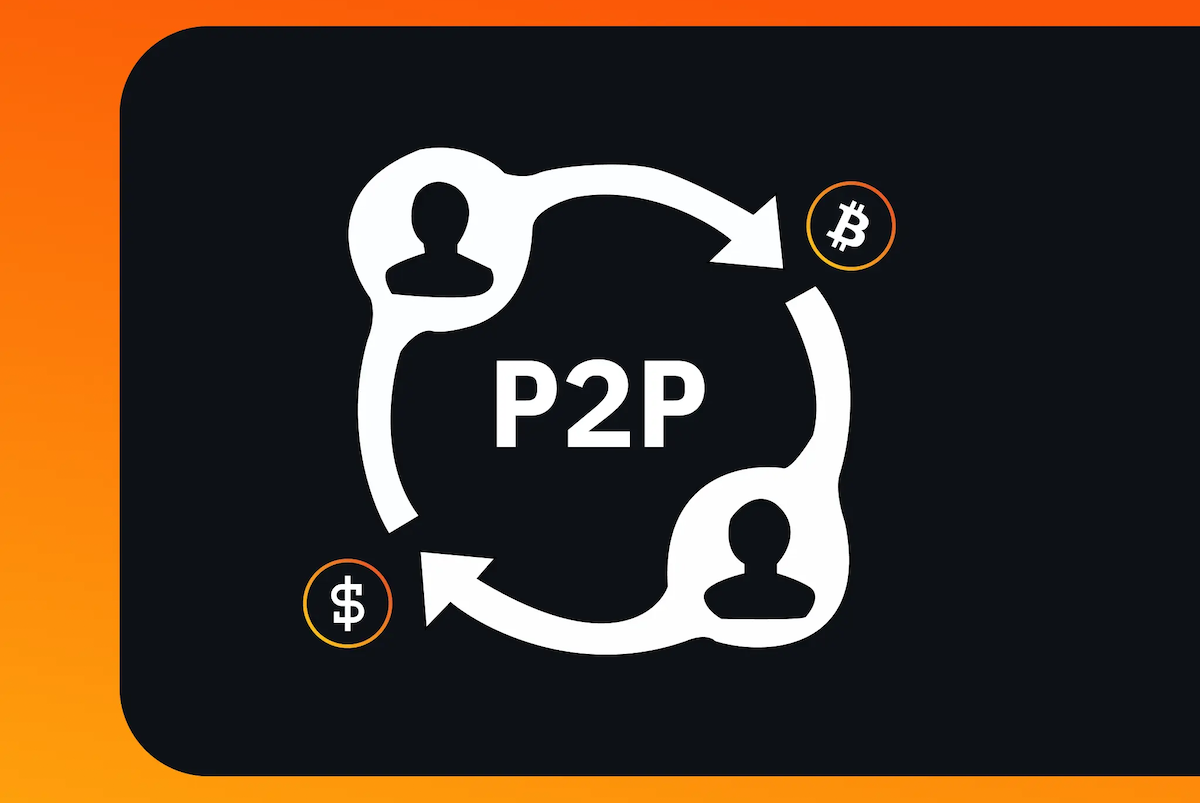
The rise of peer-to-peer transactions (often abbreviated as P2P transactions) dramatically changed this landscape. P2P transactions allow individuals to send digital value directly to one another without needing any central authority to approve, verify, or process the payment. Today, P2P technology forms the foundation of cryptocurrencies, decentralized finance (DeFi), blockchain networks, and next-generation digital payment systems.
Understanding how peer-to-peer transactions work helps explain why blockchain, digital currencies, and decentralized systems continue to disrupt traditional finance and gain global adoption.
What Peer-to-Peer Transactions Really Mean
A peer-to-peer transaction occurs when one user transfers digital assets or information directly to another user, without any intermediary involved. Instead of routing a payment through a bank or platform, the sender broadcasts a transaction to a distributed network. That network verifies its authenticity and updates the shared ledger.
Traditional online payments depend on a central ledger controlled by a bank. Peer-to-peer systems replace this with a distributed ledger, shared among thousands of nodes worldwide. This removes central control, reduces single points of failure, and empowers users to transact freely and efficiently.
Why Peer-to-Peer Systems Became Necessary
As global digital usage expanded, the world encountered several limitations of centralized payment infrastructure. Users faced slow settlement times, expensive international fees, and restrictions imposed by government or institutional policies. There was also the issue of trust—users had to trust the intermediary not to block their transaction, freeze funds, or be compromised by security breaches.
The 2008 global financial crisis amplified the desire for an alternative system that removed dependency on centralized authority. When Bitcoin launched in 2009, its core innovation was enabling peer-to-peer digital cash. Instead of trusting institutions, users could trust mathematics, cryptography, and consensus mechanisms.
This shift opened the door to decentralized networks where peer-to-peer transactions could occur with transparency, speed, and security.
How Peer-to-Peer Transactions Work in Blockchain Networks
A P2P transaction begins when a user signs a digital message proving they own the assets they want to send. This signed transaction is broadcast to a global network of nodes—computers running the blockchain protocol.
Nodes independently verify that the transaction is valid by checking the sender’s digital signatures, confirming the funds exist, and ensuring the transaction follows network rules. Once verified, the transaction is added to a block and recorded permanently on the blockchain.
Because the ledger is distributed across thousands of nodes, no single authority can alter the record or censor the transaction. Every node keeps a synchronized copy, ensuring transparency and immutability. This system allows two users anywhere in the world to send value to one another without needing to trust a bank or payment processor.
Peer-to-Peer Technology Beyond Cryptocurrency
Although blockchain popularized peer-to-peer transactions, the concept extends far beyond digital currencies. P2P systems underpin file-sharing networks, decentralized marketplaces, supply chain tracking tools, and even distributed communication platforms.
In DeFi, peer-to-peer lending and borrowing enable users to access capital without banks. In tokenized real estate, ownership transfers occur directly between buyers and sellers without expensive intermediaries. Even gaming economies use peer-to-peer mechanisms to transfer digital assets securely.
The broader trend is clear: peer-to-peer technology is enabling a shift from centralized gatekeepers to user-controlled ecosystems.
Security of Peer-to-Peer Transactions
Contrary to early skepticism, peer-to-peer systems can be significantly more secure than centralized alternatives. Traditional financial systems rely on a single entity to protect sensitive data and transaction records. If that entity is compromised, the entire system is at risk.
Peer-to-peer networks distribute verification and recordkeeping across thousands of nodes, making attacks exponentially more difficult. Consensus algorithms, cryptographic signatures, and transparent transaction histories ensure that fraudulent activity is quickly detected and rejected.
Blockchain-based P2P transactions also prevent double-spending, one of the biggest challenges in digital money systems. By recording each transaction on a globally shared ledger, the network guarantees that the same digital token cannot be used twice.
The security lies not in trusting a central authority but in trusting the collective mathematical rules of the network.
Why Peer-to-Peer Transactions Are Shaping the Future
The ongoing shift toward decentralization is driven by demand for financial autonomy, global accessibility, and systems that cannot be manipulated or controlled by single entities.
Peer-to-peer transactions offer several long-term advantages:
They enable financial inclusion, allowing users worldwide to transact without needing bank accounts. They reduce costs associated with intermediaries. They increase the speed of payments, especially across borders. They reinforce user sovereignty—individuals own and control their funds, not corporations or institutions. They build resilient networks that remain operational even when individual nodes fail.
As blockchain adoption expands and decentralized applications evolve, peer-to-peer systems will increasingly power digital commerce, asset transfer, identity management, and online interactions.
Peer-to-peer transactions represent a foundational shift in how digital value is exchanged. By removing intermediaries and enabling users to transact directly, they promote transparency, security, global accessibility, and financial empowerment. Whether in cryptocurrency, decentralized finance, or emerging Web3 technologies, peer-to-peer architectures are redefining what financial systems can be.
As more people understand how these transactions work and why they matter, peer-to-peer technology will continue shaping the next era of digital innovation.